

Medical weight loss
Medical Weight Loss
Medical weight loss is for patients who need more than another diet plan and want a clinically guided conversation about appetite, metabolism, GLP-1 options, safety, nutrition, and long-term maintenance. At Simply Health Integrated Medical, the first step is not a prescription — it is a candidacy review that helps determine whether medical, natural, or combined support makes the most sense.
What to expect
Simply Health Integrated Medical helps patients understand symptoms, goals, and options before recommending a care path.
The next step is a consultation request or direct call so the team can determine whether the clinic is a good fit for your needs.
Quick assessment
Is Medical Weight Loss Right for You?
Answer 10 questions about appetite, cravings, metabolism, weight history, GLP-1 interest, safety factors, and support needs to see whether a medical weight-loss consultation may be a reasonable next step.
When medical weight loss may be worth considering
Some patients struggle with powerful hunger, cravings, food noise, insulin resistance, metabolic slowdown, or repeated weight regain despite serious effort. Medical weight loss may be worth evaluating when lifestyle-only attempts have not been enough and a supervised option could fit the patient’s health picture.
What GLP-1 medications do
GLP-1 medications such as semaglutide work on pathways involved in appetite, fullness, and blood-sugar regulation. They can be powerful tools for selected patients, but they are not casual wellness products. Candidacy, dosing, side effects, contraindications, medication history, and follow-up need to be reviewed carefully.
Medication without strategy is incomplete
Successful medical weight loss still needs nutrition structure, protein planning, resistance or movement guidance when appropriate, hydration, habit support, and a plan for maintenance. The goal is not just seeing the scale move; it is helping the patient protect health, function, and long-term momentum.
Medical, natural, or combined?
Not every patient needs medication, and not every patient is a candidate. Some people are better served by the natural weight-loss program, functional medicine evaluation, hormone review, or a phased plan that starts with the most important roadblock first.
Find your safest next step
If you are wondering whether GLP-1 support or another medical weight-loss path is appropriate, take the metabolic quiz or request a consultation. The clinic can help you compare options without pressure and without pretending one plan fits everyone.
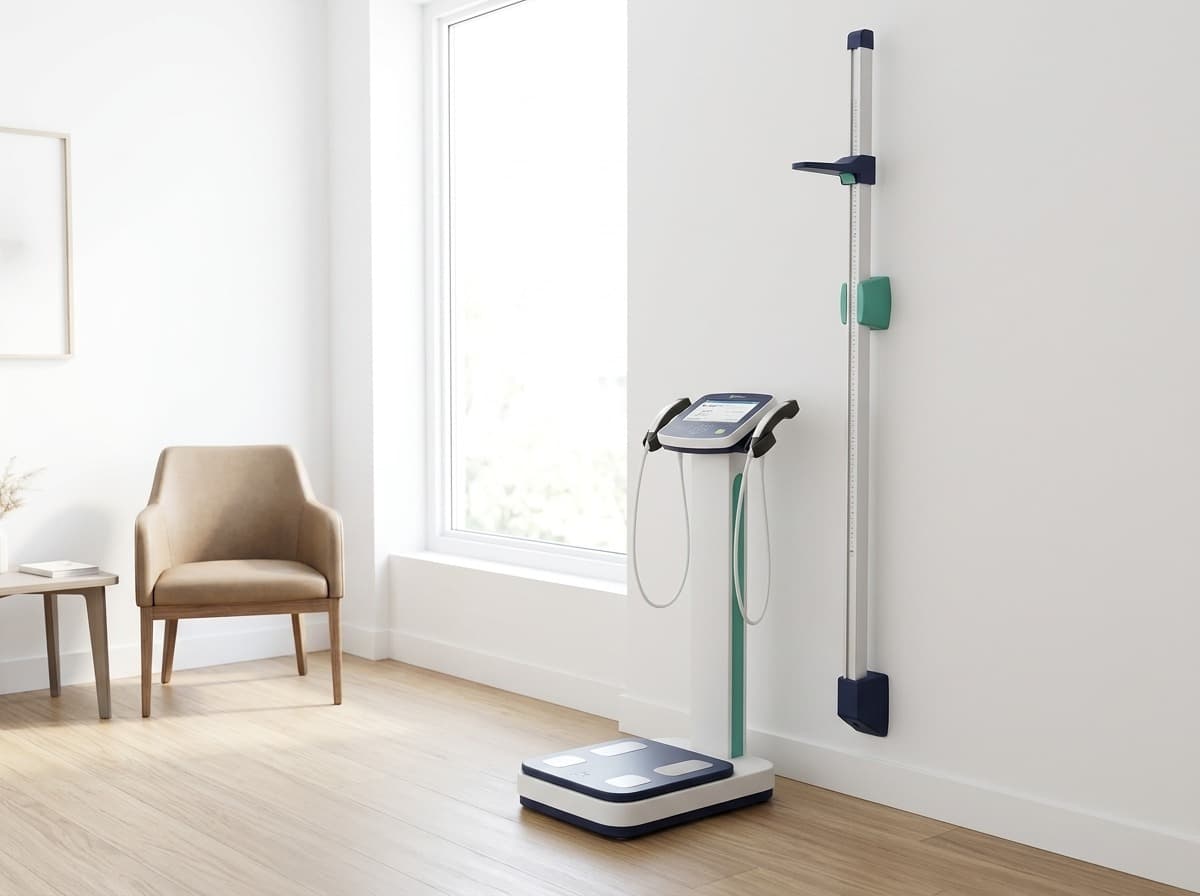
Inside our St. Louis weight loss clinic


Next step
Is medical weight loss the right fit?
A consultation helps the team understand your goals, health history, and whether this service belongs in your care plan. The goal is fit, clarity, and a practical recommendation — not a generic protocol.